Case Studies
The TRIB Roadmap case studies page showcases a range of pioneering digital twin initiatives transforming transport management across the UK. Each case study illustrates real-world applications of digital twin technology—from optimising multimodal journeys and improving incident response, to enhancing freight efficiency and revolutionising highway maintenance. Presented in partnership with leading industry innovators, these examples highlight both immediate and long-term benefits, including cost savings, improved operational resilience, and sustainability gains, while addressing the challenges and future potential of a data-driven, interconnected transport ecosystem.
Network Capacity Management
This case study, part of the Department for Transport’s Integrated Network Management Digital Twin (IN-DT) Economic Benefits Analysis, explores how federated digital twins can transform network capacity management across Britain’s transport systems. Network capacity management—one of five high-impact use cases—offers £110.8 million of present value benefits, mainly by integrating real-time multimodal data, enhancing coordination, and optimising capacity allocation.
Key steps involve creating shared data architectures, decision support tools, and phased pilots, requiring collaboration across authorities and providers. Key benefits include major journey time savings, improved reliability, and environmental gains, though challenges remain around standardisation, data sharing, and governance.
Multimodal Journey Optimisation
This case study, part of the Department for Transport’s Integrated Network Management Digital Twin initiative, examines the use of digital twin technology for optimising multimodal journeys—integrating real-time data across road, rail, bus, and other modes to deliver seamless travel.
Estimated at £110.9 million in benefits over 10 years, this approach aims to cut transfer times, boost reliability, and encourage sustainable travel through better data sharing and AI-driven planning. Implementation involves integrating planning systems, operators, and data sources, with strong stakeholder collaboration required. Challenges include technical standardisation, data sharing, and user trust, but benefits span reliability, emissions reduction, and enhanced customer experience.
Integrated Incident and Emergency Management
This case study, part of the Department for Transport’s Integrated Network Management Digital Twin project, explores how integrating digital twin technology can improve incident and emergency management across UK transport networks. Estimated to provide £88.7 million in economic benefits over 10 years, the initiative aims to unify real-time data, enabling faster detection, shared situational awareness, and coordinated multi-agency responses to disruptions.
Key challenges include integrating diverse systems across agencies, establishing data standards, and ensuring cybersecurity. Benefits include reduced congestion, improved safety and journey reliability, greater efficiency, and faster incident resolution, with future plans for predictive capabilities and cross-regional integration.
Planned Works & Maintenance Management
This case study from the Department for Transport’s Digital Twin project highlights the use of digital twin technology to optimise planned works and maintenance management across UK transport networks. As the most economically significant use case, with benefits estimated at £528.3 million over 10 years, it aims to improve collaboration among authorities, utilities, and asset owners, reduce duplicated works, and minimise disruption for travellers.
Key elements include integrating various datasets, real-time condition monitoring, and automated scheduling conflict detection. Challenges include coordinating diverse stakeholders and aligning data standards, but improved planning could dramatically reduce delays, congestion, and economic costs.
Freight Management at Ports
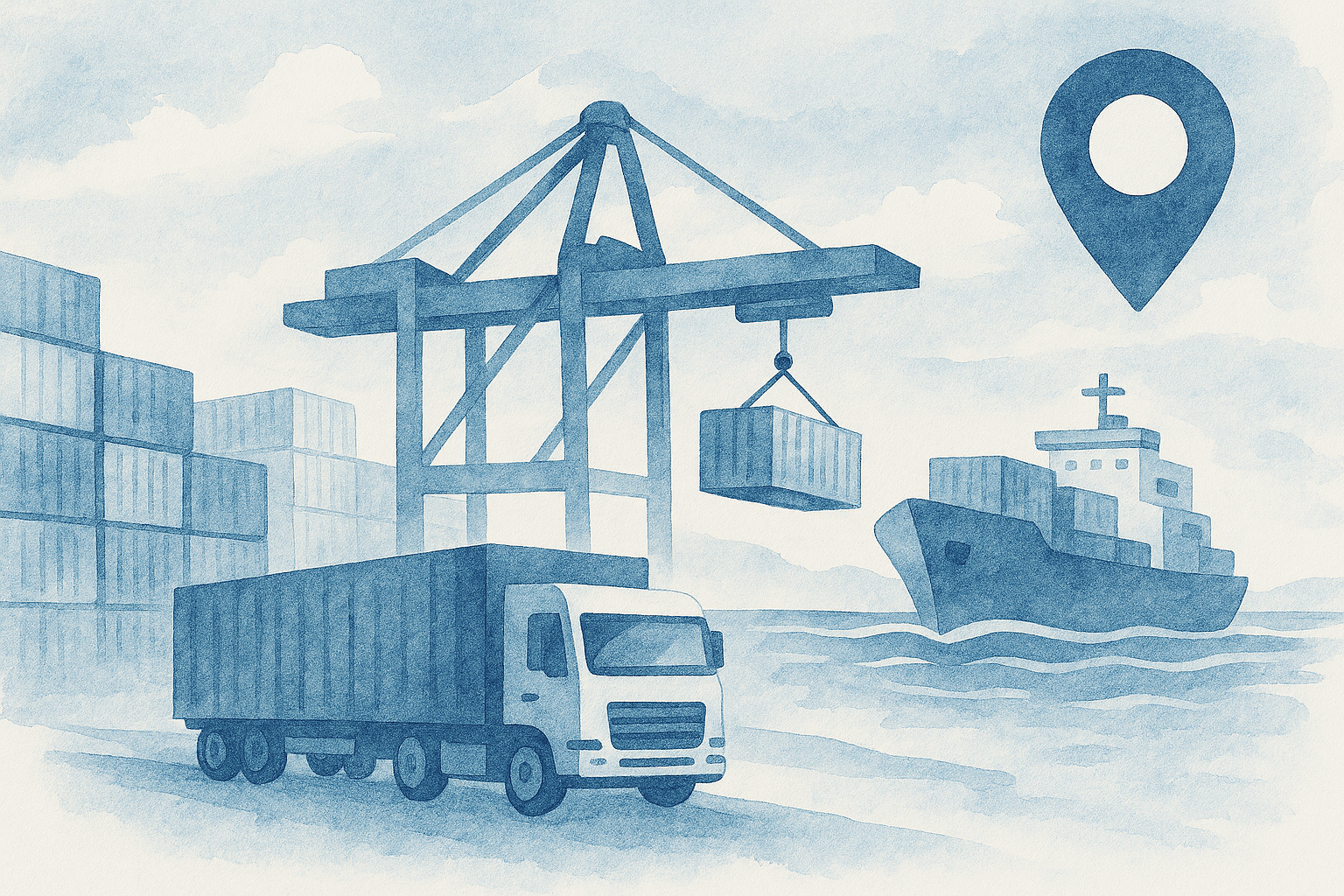
This case study, part of the Department for Transport’s Digital Twin initiative, explores using digital twin technology to improve freight management at UK ports, with projected benefits of £16.9 million over 10 years. Ports face complex challenges integrating operations across multiple actors, systems, and transport modes.
A digital twin solution would federate data from various sources to optimise scheduling, reduce congestion, improve incident response, and enhance environmental outcomes. Implementation requires strong data governance, stakeholder collaboration, and phased deployment. Key benefits include reduced dwell times, emissions savings, increased administrative efficiency, and better coordination. Challenges include commercial sensitivities, data integration, and interoperability.
Next-Generation / Cross-Cutting Digital Twin Innovations
This case study explores how the Department for Transport’s Integrated Network Management Digital Twin (IN-DT) framework can support next-generation transport innovations. Beyond current use cases, the IN-DT aims to future-proof UK transport by enabling integration of emerging technologies like autonomous vehicles, drones, and AI traffic management.
Key focuses include developing interoperability standards, robust data sharing frameworks, and cross-sector governance. While unquantified, expected benefits are greater integration, safer adoption of new technologies, and enhanced economic value. Significant challenges remain, such as standardisation, public trust, and regulatory harmonisation, but IN-DT lays essential groundwork for a dynamic, innovative, and resilient transport system.

1 Strategy and innovation
Key Contributors


Outcomes
- Strategic innovation plan to ensure a common path of travel for all stakeholders and delivery partners working within the connected digital twin environment
- Clear understanding in the transport sector of how connected digital twins can provide value with recognised and repeatable value propositions
| Outputs | Activities |
|---|---|
Research and innovation strategy defined for connected digital twins in transport 2023 - 2026 |
|
Key milestones defined for achieving an ecosystem of digital twins in transport 2023 - 2032 |
|
Identified infrastructure and services supporting requirements of connecting digital twins 2024 - 2026 |
|
Relevant Publications
 Digital Twins: Ethics and the Gemini PrinciplesGemini PapersComponents for connected digital twinsThe Future of the Automotive Industry through DigitalisationData for the public goodLeader for research in digital twinning for decarbonising transport – UKRIDevelop a UK digital twinning research community with a NetworkPlus
Outcomes
- Understanding of the types of procurement frameworks that are applicable to connected digital twins
- Understanding of commercial models that are applicable to connected digital twins
- Better ways and approaches to create awareness of connected digital twins
- Value of connected transport digital twins demonstrated in multiple applications and modes
- Funding security in place to cover the long term maintenance strategy of the operationalised connected digital twin asset
| Outputs | Activities |
|---|---|
Accessible procurement frameworks for connected digital twins 2025 - 2028 |
|
Appropriate routes for the investment and finance community to invest in connected digital twins and provide maintenance and management funding throughout the lifecycle of connected digital twins and their assets 2026 - 2028 |
|
Commercial models in place to address funding needs for connected digital twins including maintenance 2024 - 2026 |
|
Marketing strategy in place to communicate achievements in digital twins and attract stakeholders 2026 - 2028 |
|
Outcomes
- Clarity on which connected digital twins use cases would provide most value for stakeholders, for example improved safety, increased efficiency, better maintenance
- Connected digital twins use case trials, testing and implementation
- Connected digital twins are being tested in real world situations, covering ethical, security, resilience, legal, regulatory, commercial and sustainability considerations
| Outputs | Activities |
|---|---|
Baseline for digitised assets to establish the direction for digital twins in the transport sector 2023 - 2025 |
|
Use cases identified based on customer/industry/government needs and the value gained from combined data 2024 - 2026 |
|
Business case for use cases that require government funding and for those that industry will invest in 2027 - 2028 |
|
Operationalised connected digital twin use cases 2031 - 2035 |
|
Relevant Publications
Gemini PapersGemini PrinciplesThe Future of the Automotive Industry through DigitalisationDigital Twin ToolkitAreas of Research Interest 2021Data for the public goodCPC Placed Based Digital TwinsDigital Railway Strategy Digital Rail Programmedigital-twin-institute-position-paperAMRC Digital Twin AWThe TRIB-commissioned Vision and Roadmap, produced by the Connected Places Catapult, consists of workstreams, components, outputs, outcomes and activities, which collectively guide us towards a future in which we achieve the shared vision in 2035.
At the top level, the roadmap shows different workstreams together with their corresponding components. A click on each component opens up the expected output and target delivery date. A further click on ‘Explore this workstream’ presents the output and associated activities, the key contributors and supporting organisations, outcomes, and a selection of relevant publications.
These activities are the building blocks which can be used to achieve the 2035 Vision and have been selected based on those which are likely to have the most impact. The Roadmap has been developed in collaboration with experts from academia, industry and government (further detail on the partners and stakeholder pages), but the list of activities is not exhaustive and prioritisation has been conducted by assessing the greatest potential impact of the activities.
| Workstream | Component | Target output end year | |||
|---|---|---|---|---|---|
| 2023-2025 | 2026-2030 | 2031-2035 | |||
1 Strategy and innovation | |||||
 2 Enabling environment | |||||
 People, skills and culture | |||||
 4 Technology and data | |||||